
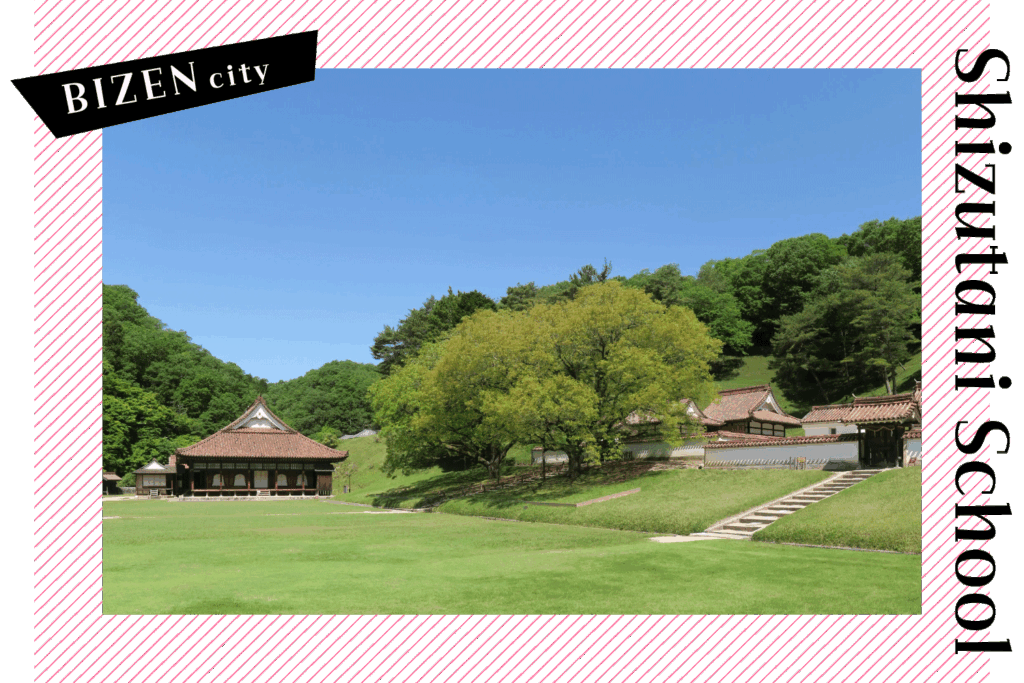
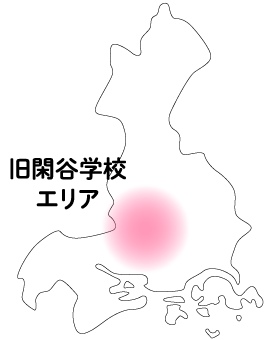
A course to take time to appreciate the charms of the Old Kanya School
Visit the important cultural properties on the grounds, experience an essay in the national treasure lecture hall, and spend about half a day leisurely experiencing the spirit of learning at Japan's oldest place of education for the common people.
Yoshinaga Station alighting
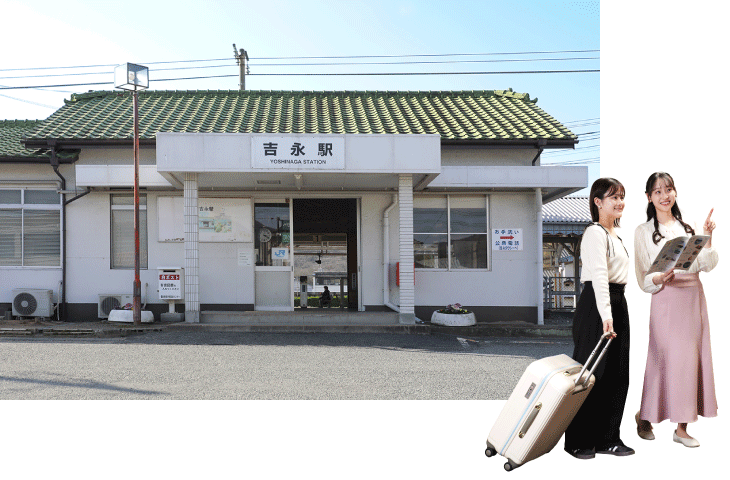
Yoshinaga Station alighting
Start at the retro green tile-roofed station house in a quiet mountain town. Come on, let's enjoy the nature and history of this town!
Japan's oldest public school with over 300 years of history
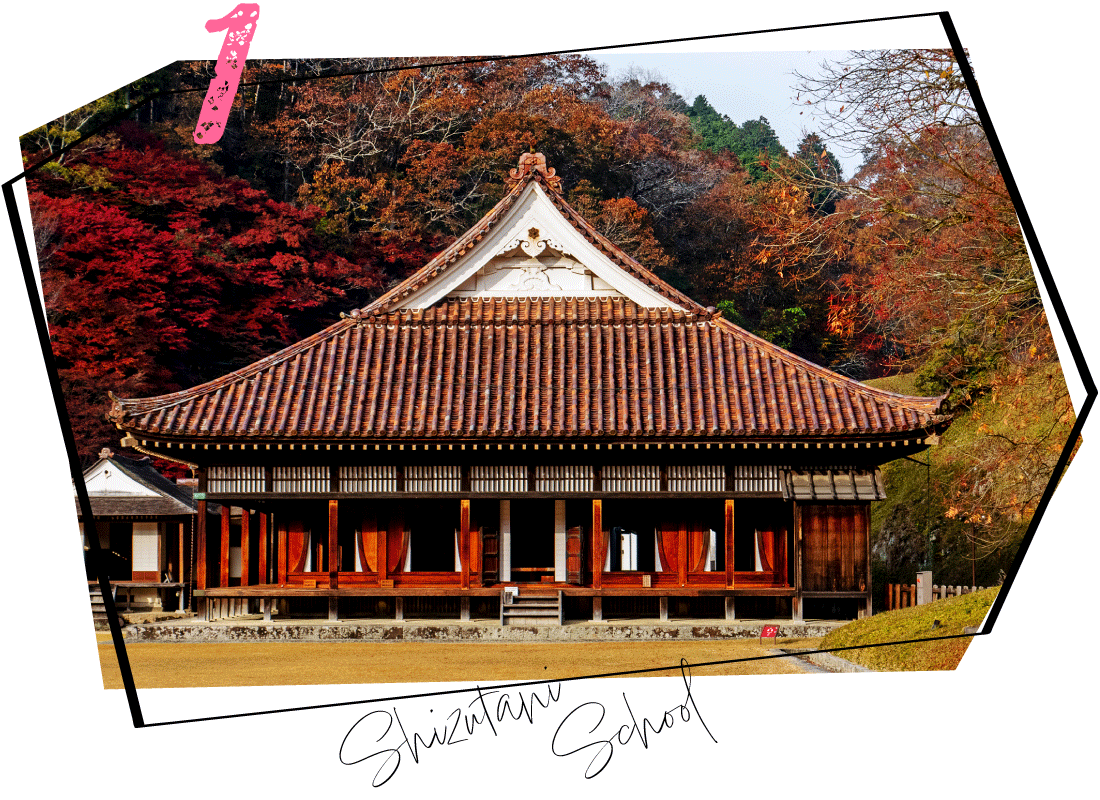
Old Kanya School
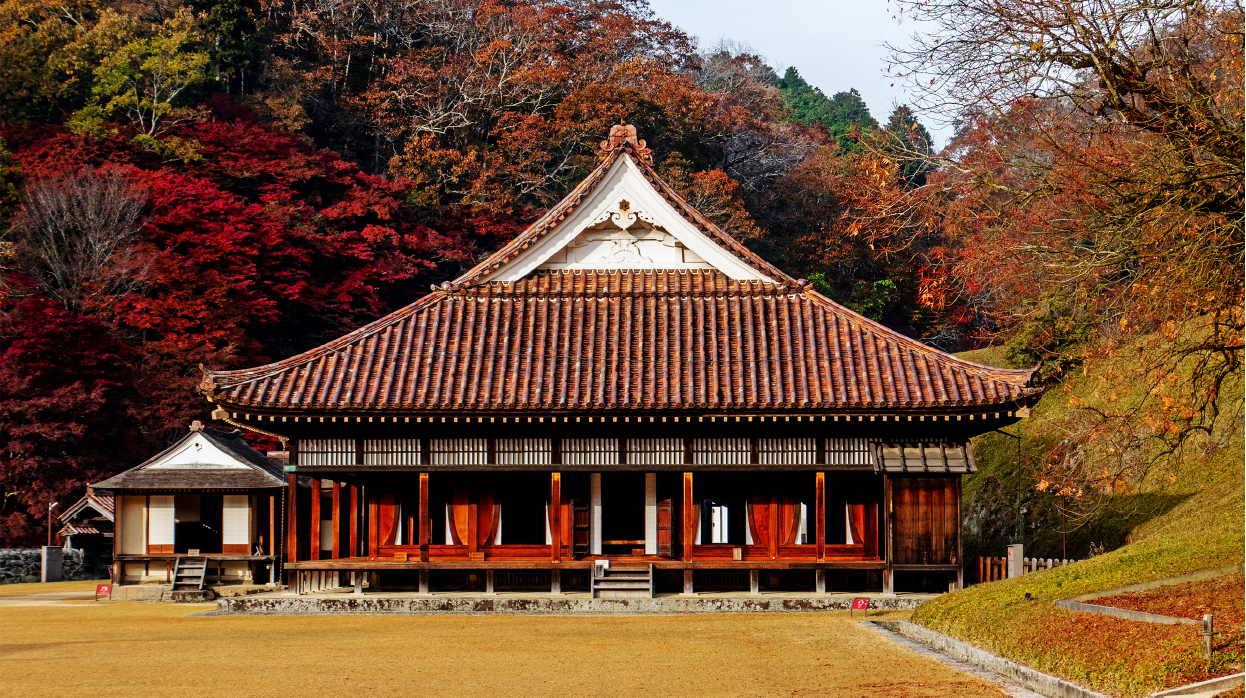
Founded in 1670 by Mitsumasa Ikeda, feudal lord of Okayama, it was the first "public school for the common people" in Japan. The lecture hall, built in the irimoya style, is designated as a national treasure, and has produced many talented people who have left their mark on Japanese history. The Kai tree is famous for its beautifully colored leaves that turn red in the fall and are illuminated at night.
A valuable experience to learn in a national treasure auditorium
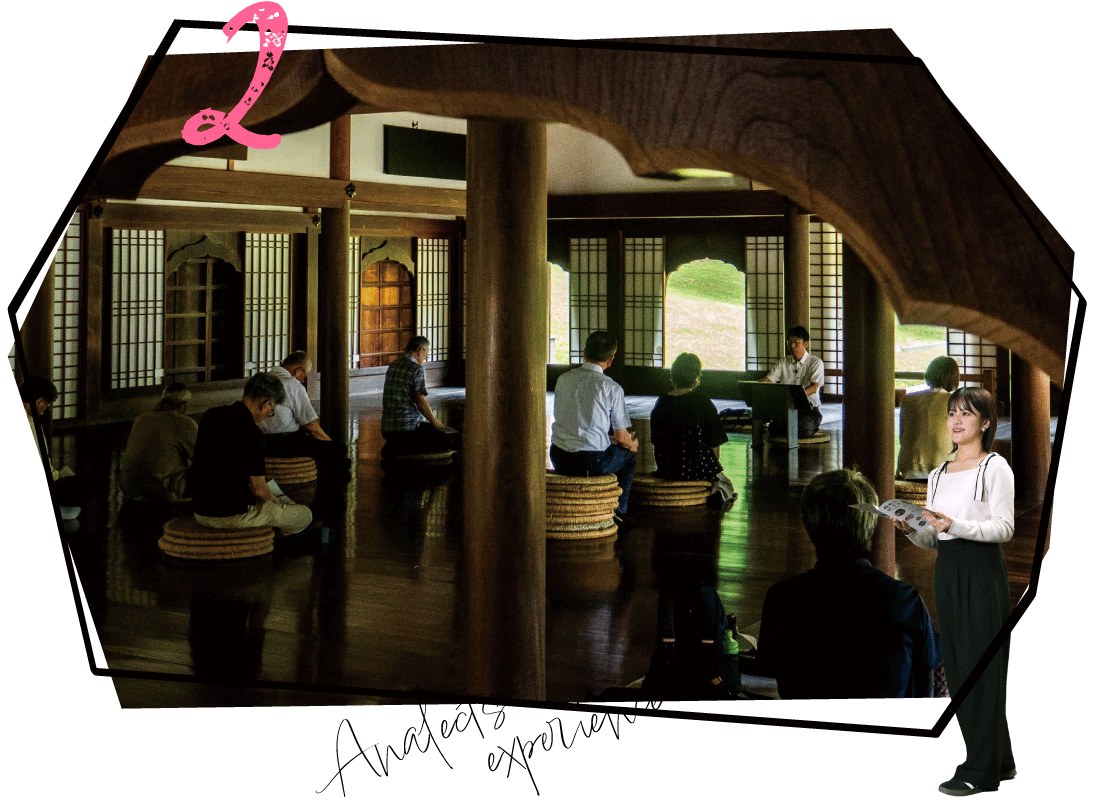
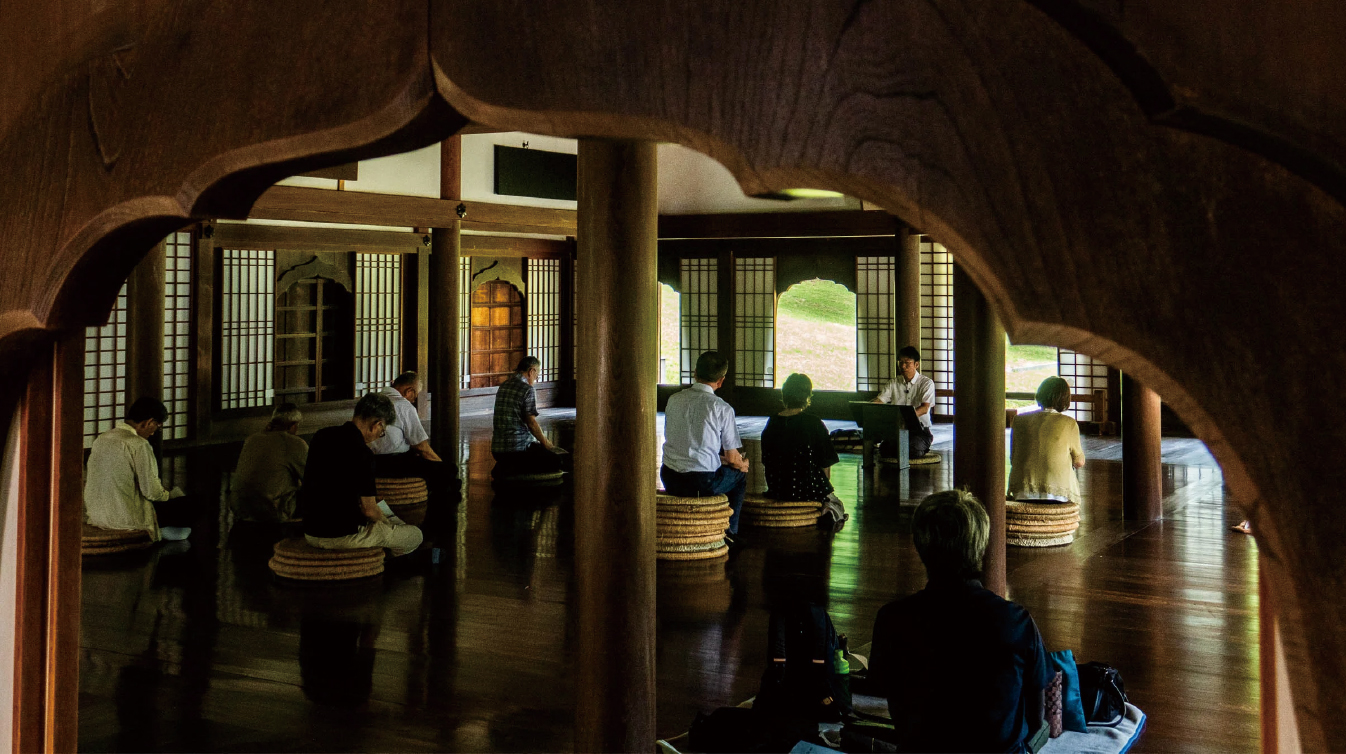
The Argument Experience
This is a rare lecture held 12 times a year in the national treasure auditorium, which is usually closed to the public. Participants who attend 4 times will receive 2 free admission tickets.
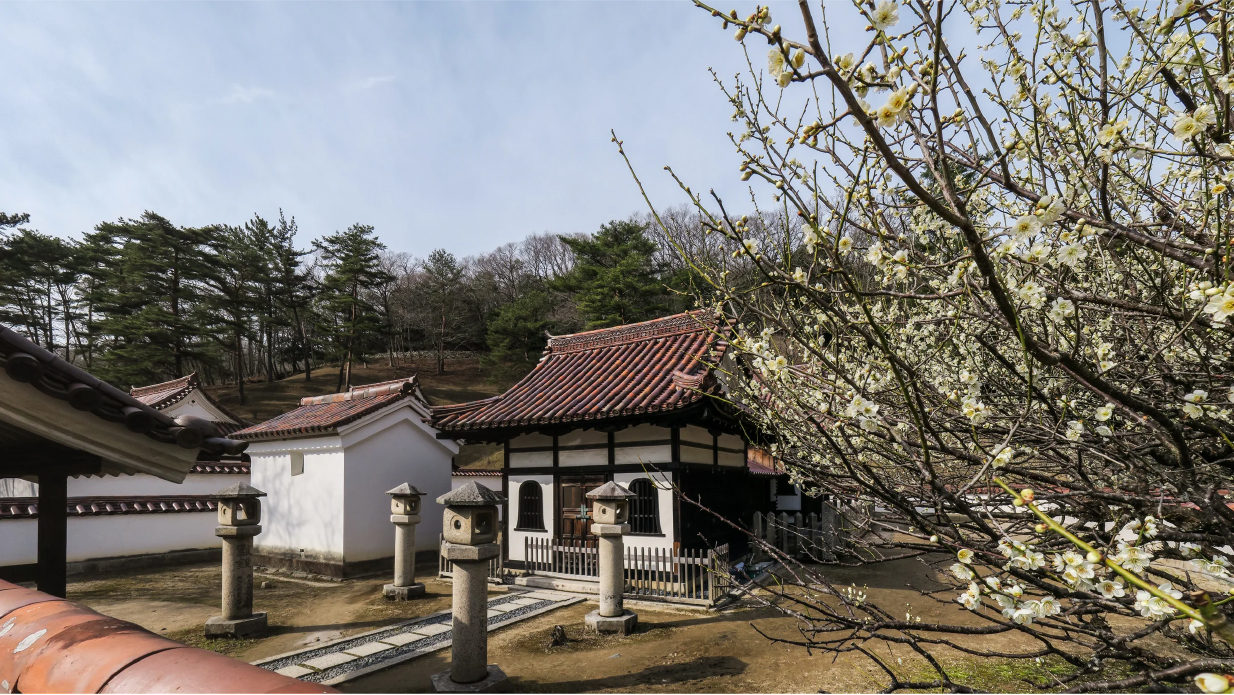
Shrine on site dedicated to Lord Mitsumasa
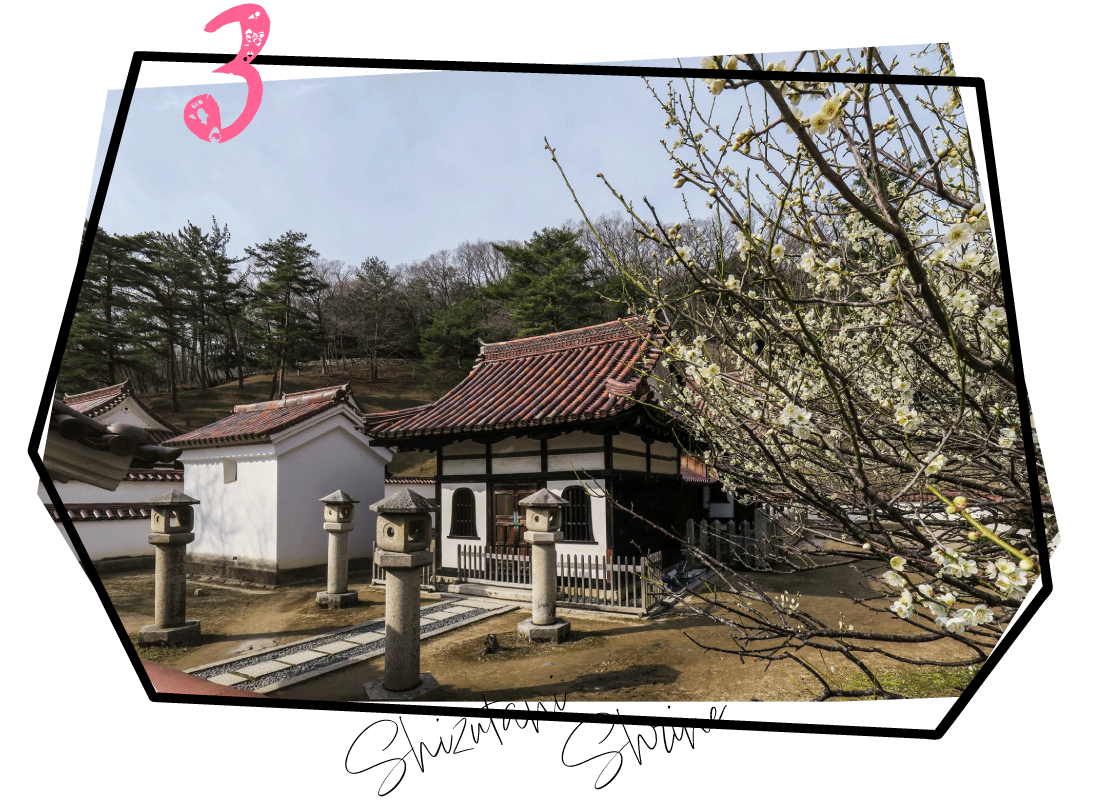
Kankoku Shrine
This shrine is dedicated to Ikeda Mitsumasa, the founder of Kanya Gakko. A seated golden statue of Mitsumasa is enshrined in the main shrine.
The millennial skill and beauty of a stone wall
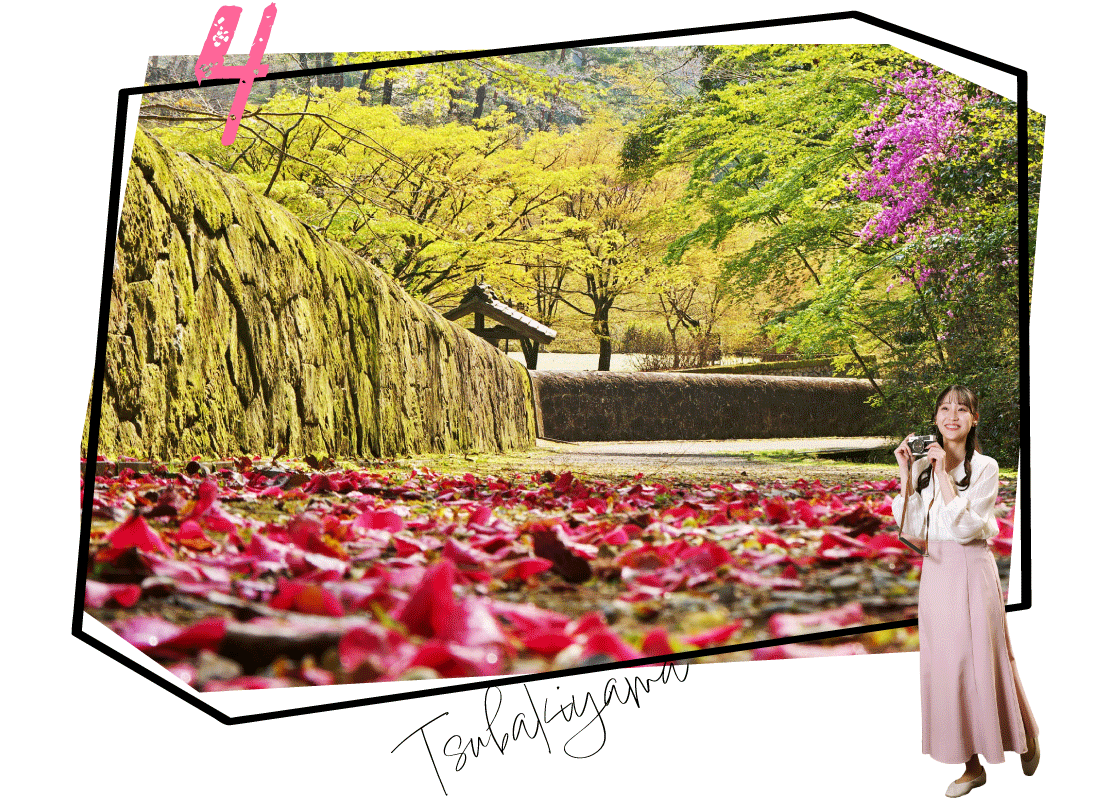
Stone wall, Tsubakitani
The stone wall that surrounds the former Kanya School is approximately 2.1 m high and 765 m long, and is designated as a National Important Cultural Property. It is a glimpse of the superior technology of the time that cleverly combined granite. Nearly 400 camellia trees are planted on the grounds, delighting the eyes of visitors each season.
School architecture from the Meiji Period is still preserved today.
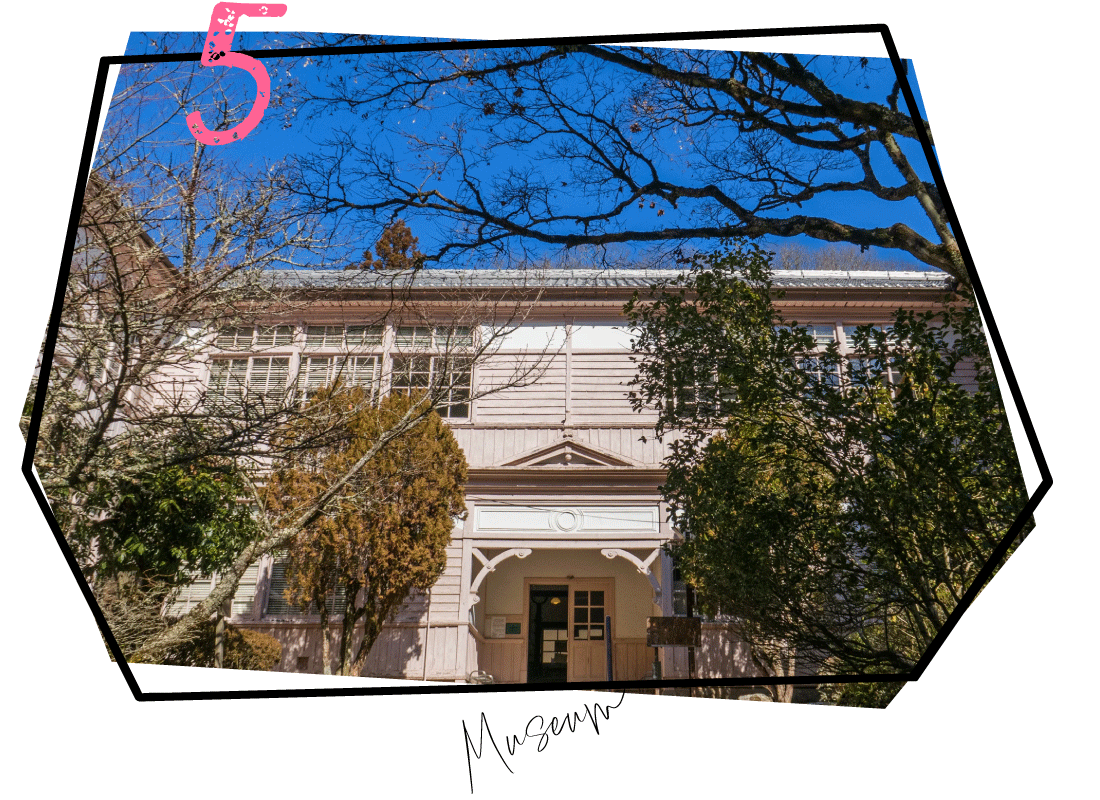
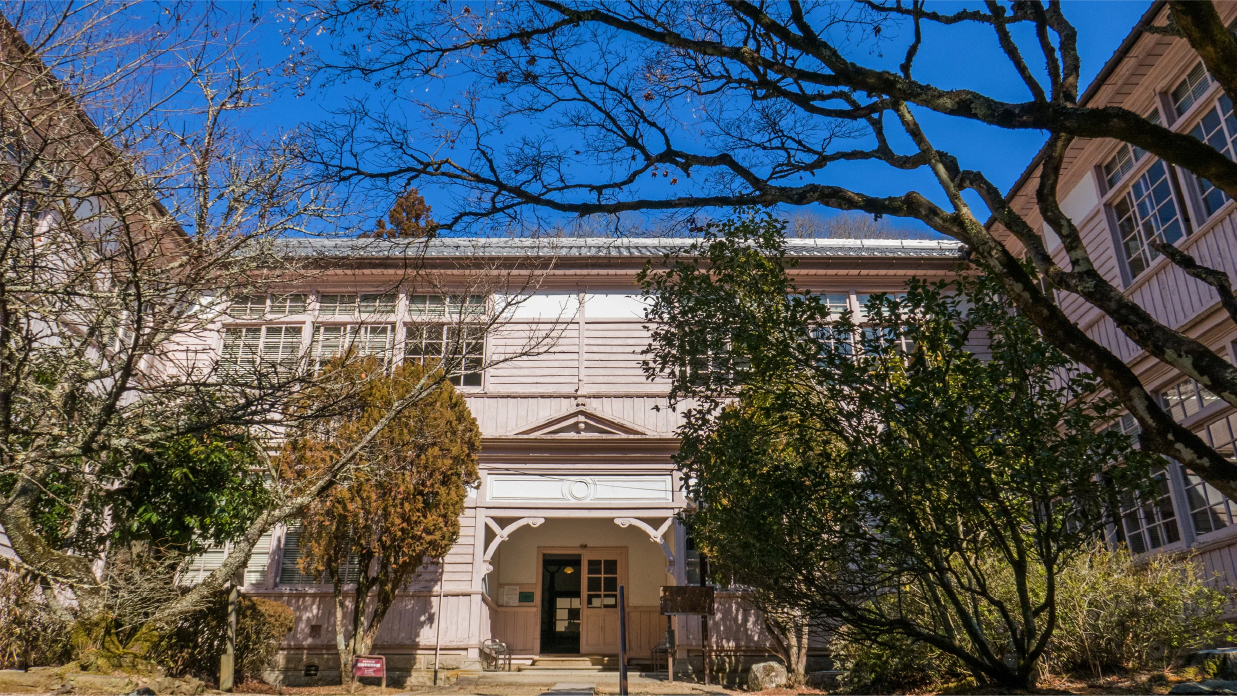
Kankoku Gakko Museum
Located a few minutes' walk from the main building of Kanya Gakko, this building is a registered national tangible cultural property. Built in 1905 as the main building of the private Kanya Junior High School, it still retains the characteristics of the large wooden buildings of the Meiji era. Currently, seven reference rooms are located in former classrooms.
Tea house for relaxation built at the confluence of a mountain stream
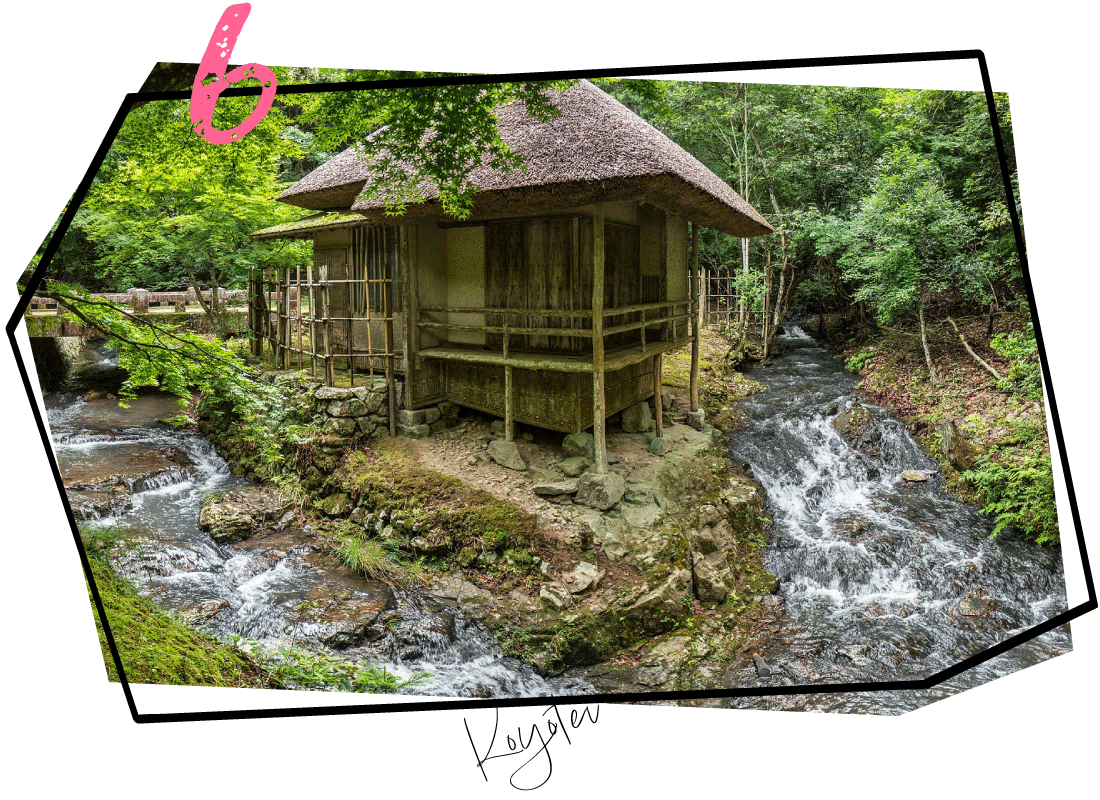
arbor (arbour, bower)
It was built in 1813 for the Kanya Gakko to entertain guests, faculty members, and students. Built at the confluence of a mountain stream, it was also used as a teahouse where visitors could enjoy the sounds of the stream and the autumn leaves, and as a place where Confucian scholars and literary figures such as Rai Sanyo and Suga Chazan were welcomed and formed friendships.